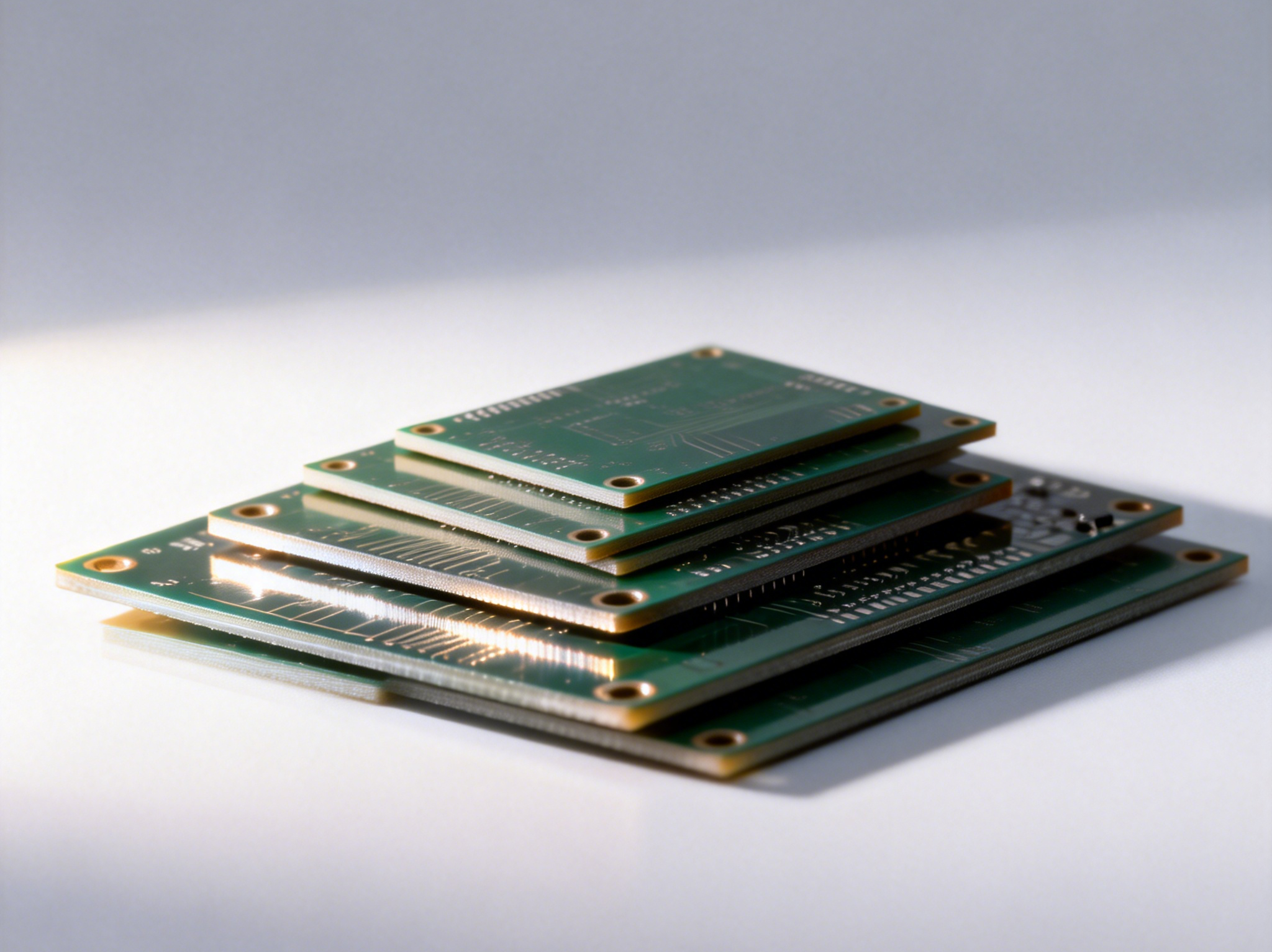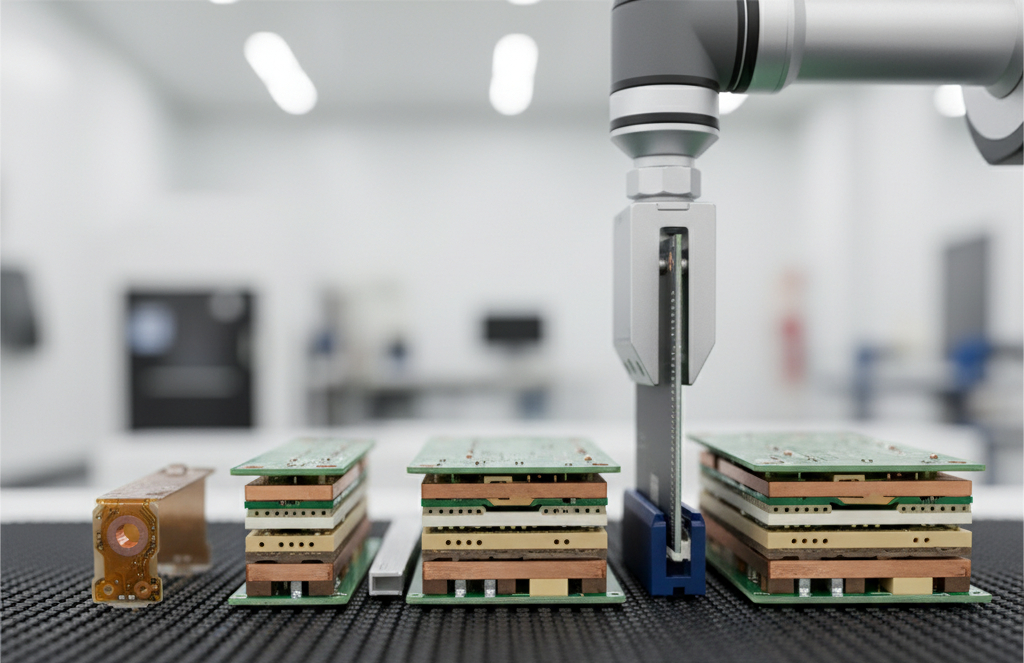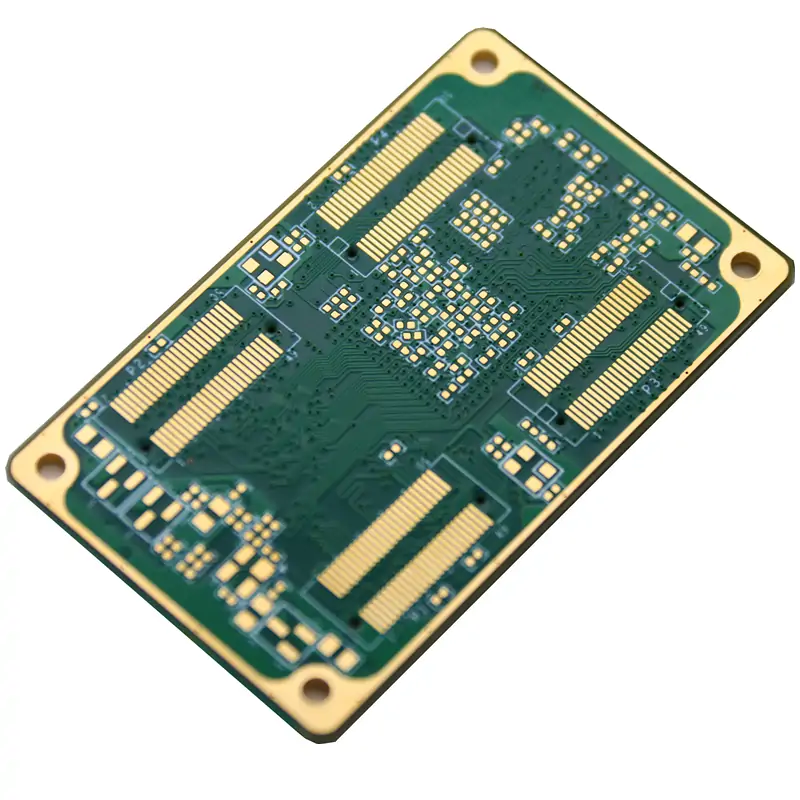

In industrial applications, 1.6 mm (approximately 0.063 inches) is the most commonly used PCB thickness, accounting for the majority of design applications. This thickness strikes an optimal balance between mechanical strength, manufacturing yield, and cost, while also being compatible with most connectors and industrial enclosures. Other common thicknesses include 0.8 mm, 1.2 mm, 2.0 mm, and 3.2 mm, which can be used to meet the needs of various industrial equipment. For multilayer PCB designs, thickness also affects interlayer stacking stability and impedance control; therefore, engineers must comprehensively consider structural, thermal, and electrical performance when making a selection. Choosing an appropriate thickness helps optimize PCB and PCBA p
erformance while reducing production risks.
The selection of PCB thickness must be based on the specific industrial application.
For example:
PCB thickness also affects via dimensions, solder paste volume, and thermal shock management during PCBA assembly. Therefore, when designing industrial PCBs and PCBs, the choice of thickness should comprehensively consider structural strength, electrical performance, and the application environment to ensure long-term stable operation of the equipment.

IV. Five Key Factors Determining PCB Thickness
The selection of PCB thickness is typically determined by five key factors:
HongRong (Shenzhen) Electronics Co., Ltd., with 21 years of experience in industrial PCB and PCBA manufacturing, provides professional thickness recommendations and DFM analysis during the design phase to optimize PCB and PCBA designs while ensuring product reliability and manufacturability.
Contact HongRong for a free PCB/PCBA DFM analysis and quote.
When selecting PCB thickness, companies should collaborate with experienced PCB/PCBA suppliers. The final PCB thickness depends not only on the design dimensions but is also influenced by copper thickness, prepreg, and the lamination process.
For example, a 6-layer PCB using 4 oz copper—with each layer approximately 35 μm thick—may result in an additional 0.08 mm in finished thickness. If this is not evaluated in advance, it could lead to assembly mismatches or connector failures. By utilizing DFM analysis and thickness optimization solutions provided by professional manufacturers, companies can ensure that PCBs and PCBA meet industrial standards and achieve highly reliable delivery. This approach not only enhances product performance but also reduces development and maintenance risks.
Q1: What is the standard PCB thickness for industrial applications in mm?
A: The standard PCB thickness for industrial applications is 1.6 mm, though it can range from 0.8 mm to 3.2 mm depending on the application.
Q2: Is there a standard PCB thickness chart?
A: Yes. Typical PCB thickness chart:
Q3: What is the standard PCB thickness in mm?
A: The most common standard PCB thickness is 1.6 mm. Thinner boards can be 0.8 mm, and thicker boards may go up to 3.2 mm.
Q4: What is the standard PCB thickness for a 4-layer board?
A: Standard 4-layer PCB thickness is usually 1.6 mm, sometimes 1.8 mm, depending on the dielectric and design requirements.
Q5: What is the standard PCB thickness for a 2-layer board?
A: Standard 2-layer PCB thickness is 1.6 mm, with a range of 0.8 mm to 2.0 mm based on application.
Q6: What is the standard thickness and weight of a copper layer on a PCB?
A: Standard copper thickness is 1 oz/ft² (≈35 µm). Heavy copper PCBs can use 2 oz/ft² (≈70 µm) or more for higher current-carrying needs.
Q7: How can I calculate PCB thickness?
A: PCB thickness is calculated based on: number of layers, dielectric material, copper weight, and finish. The default thickness for 2–4 layer boards is usually 1.6 mm.
Q8: What is the standard PCB thickness for a 6-layer board?
A: Standard 6-layer PCB thickness ranges from 1.6 mm to 2.0 mm, depending on stack-up and impedance requirements.


Please contact us to experience the difference with high quality of HongRong (shenzhen) Electronics Co.,Ltd.