When looking for a PCB supplier, you may come across two terms that sound similar: PCB fabricator and PCB assembler. Both are involved in circuit board production, but they handle different parts of the process.
A PCB fabricator makes the bare circuit board, while a PCB assembler installs electronic components onto that board. The first typically delivers a bare PCB, and the second delivers an assembled board, commonly called a PCBA.
Understanding this difference is useful when developing a new electronic product, comparing supplier quotations, or planning a production run. It helps you identify the services you actually need and avoid paying for work that is outside your project requirements.
Ⅰ. What Does a PCB Fabricator or PCB Assembler Actually Do?
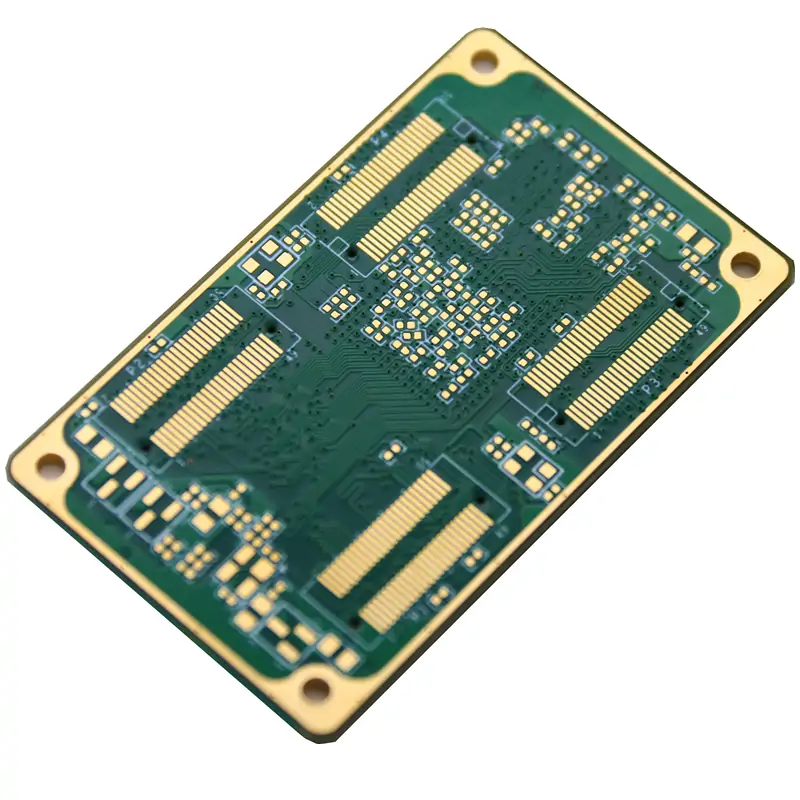
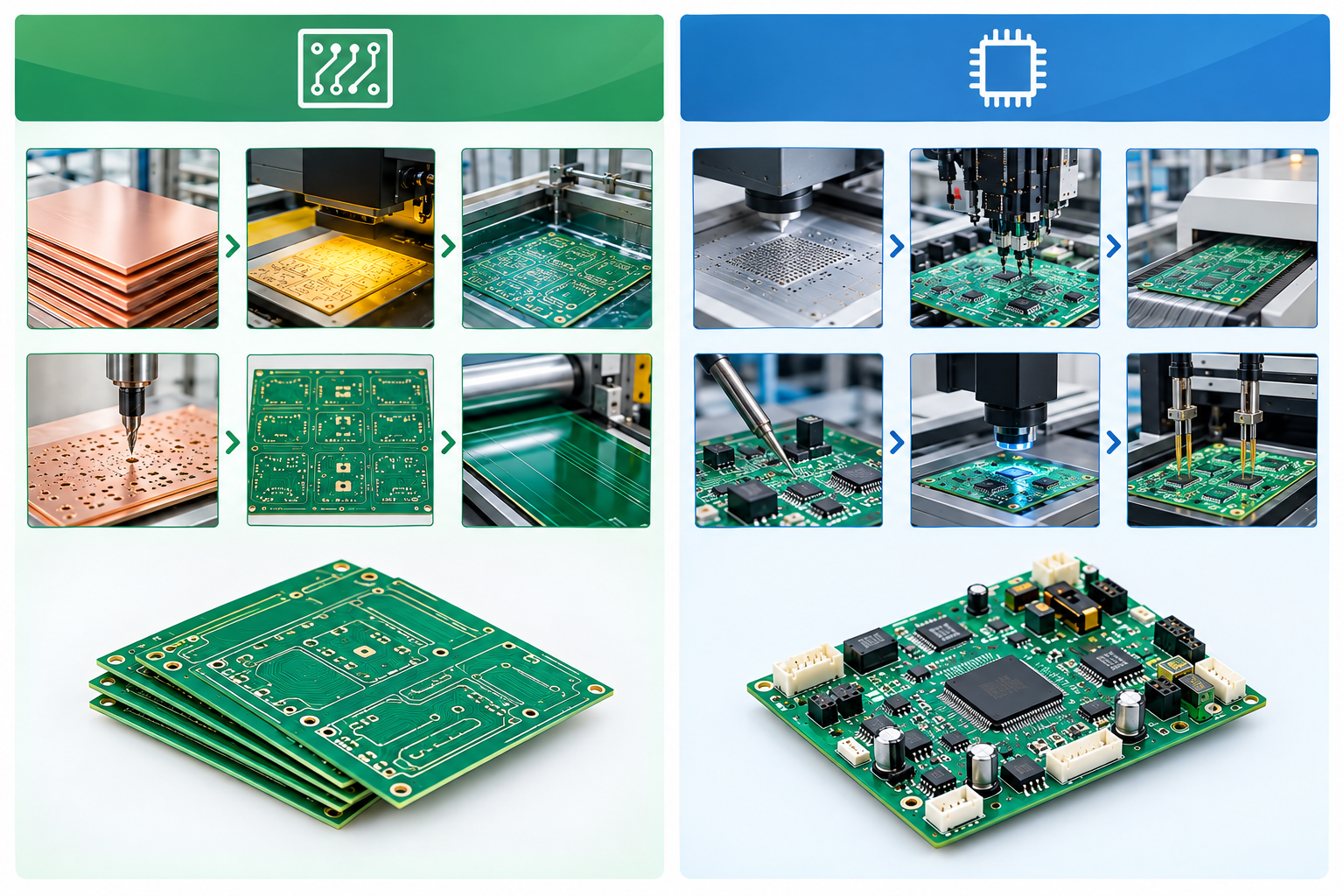
A PCB fabricator turns design data into a physical circuit board. Depending on the design, the manufacturing process may include circuit pattern formation, drilling, lamination, copper plating, solder mask application, surface finishing, and inspection.
Once fabrication is complete, the board has the conductive paths and physical structure needed for the intended circuit. However, electronic components such as resistors, capacitors, integrated circuits, and connectors have not normally been installed yet.
This is where PCB assembly comes in.
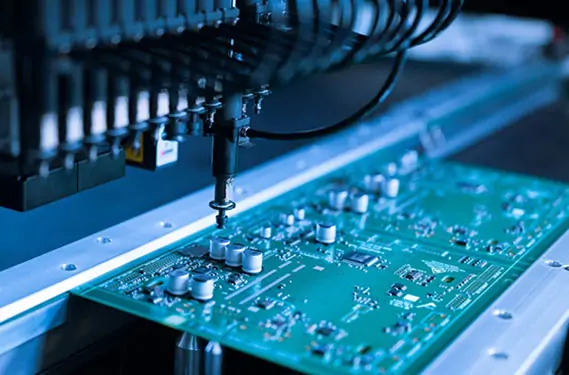
A PCB assembler takes the bare board and mounts the required electronic components according to the bill of materials (BOM), placement data, and assembly instructions. Common processes include surface-mount technology (SMT), reflow soldering, and through-hole assembly where the design requires it.
After assembly, the board may undergo visual inspection, automated optical inspection (AOI), X-ray inspection, electrical testing, or functional testing, depending on the component types and project requirements.
The easiest way to understand the difference is this: PCB fabrication produces the board itself, while PCB assembly turns that board into an electronic assembly by installing its components.
The two services are different, but they do not always come from separate companies. Some suppliers focus on bare PCB manufacturing, others specialize in assembly, and some offer both.
If you are preparing files for production, our guide What File Type Is Typically Used for PCB Manufacturing? explains the manufacturing data commonly needed for a PCB project.
Ⅱ. What Is the Difference, and Which Service Does Your Project Need?
From a customer's perspective, the main differences are the work involved, the information required, and the final product delivered.
| Comparison |
PCB Fabricator |
PCB Assembler |
| Main responsibility |
Manufactures the bare circuit board |
Installs and solders electronic components |
| Typical input |
PCB manufacturing data, drill files, and board specifications |
Bare PCB, BOM, placement data, and assembly instructions |
| Main concerns |
Materials, layer count, dimensions, traces, and hole quality |
Component placement, solder joints, and required testing |
| Typical deliverable |
Bare PCB |
Assembled PCBA |
| Suitable when |
You only need the circuit board |
You have a bare board and need component assembly |
The right choice depends on where your project stands.
If your design is complete and you only need the bare boards, look for a PCB fabricator that can meet your requirements for materials, layer count, dimensions, tolerances, and other manufacturing specifications.
If you already have bare PCBs and need components installed, a PCB assembler is the more relevant choice. Before placing an order, check whether the supplier can handle your component packages, soldering requirements, and inspection needs. Having an SMT production line alone does not necessarily mean a supplier is suitable for every assembly project.
For projects that are still in the development stage, you may also find our guide Why HongRong Is Your Trusted Partner for PCB Prototyping Services useful when considering the steps involved in prototype assembly and testing.
Ⅲ Should You Use Separate Suppliers or Choose One-Stop PCB and PCBA Services?
The right choice depends on what you already have and how much of the production process you want your supplier to handle.
If you only need bare circuit boards, PCB fabrication may be all you need. This is often suitable for companies that already have their own assembly facilities or have established a separate relationship with an assembly provider.
In this case, focus on whether the fabricator can meet your board specifications, manufacturing tolerances, quality requirements, and delivery schedule.
If you already have bare PCBs but need the components installed, look for a PCB assembler with the appropriate equipment and process capabilities. Before requesting a quotation, clarify who will supply the components, which assembly methods are required, and what inspections or tests must be completed.
The situation is different when you want one supplier to coordinate both stages.
A provider offering PCB fabrication and PCBA assembly can handle the bare board and component assembly within a coordinated service arrangement. Depending on the supplier's capabilities, the service may also include component sourcing, inspection, and testing.
This approach can reduce the amount of coordination required between separate suppliers. Manufacturing questions, document revisions, and production schedules may be easier to manage when the related work is handled through one point of contact.
However, one-stop service does not automatically mean a lower price or a shorter lead time. Component availability, board complexity, production capacity, and testing requirements all affect the final result.
If your project is still at the prototype stage, you can learn more about PCB Prototyping Services and the considerations involved in moving from bare boards to assembled prototypes.
Ⅳ What Should You Prepare Before Requesting a Quote?
Before contacting a supplier, make sure you understand what you need delivered and which tasks the supplier is expected to perform. A clear request makes it easier to evaluate quotations and reduces the risk of misunderstandings after production begins.
Start with the files you already have. PCB fabrication commonly requires Gerber or other supported manufacturing data, drill information, and relevant board specifications. If assembly is required, the supplier will typically also need a BOM, component placement data, and assembly drawings or instructions.
The exact file package depends on the design and the supplier's workflow, so confirm the requirements before releasing the order.
Next, provide the expected quantity, target delivery date, and applicable quality requirements. If the supplier will purchase components on your behalf, clarify the sourcing responsibilities and whether any proposed component alternatives require your approval.
Finally, check what the quotation actually covers. Does it include bare PCB fabrication only, or does it also cover component sourcing, assembly, testing, and packaging? Two quotations may look similar at first but cover different services.
If your design package is not complete yet, you can still discuss the project with a potential supplier. Explain the current design stage, the information available, and your expected production plan. The supplier can then help identify the remaining information needed for a proper quotation.
Ⅴ. Bringing PCB Fabrication and Assembly Together
A PCB fabricator and a PCB assembler perform different jobs, but both contribute to turning an electronic design into a physical product.
If you only need bare boards, a suitable PCB fabricator may be enough. If you need components mounted and soldered, you will also need assembly services. If you prefer to reduce coordination between manufacturing stages, a supplier offering both services may be worth considering.
The best choice is not necessarily the supplier with the longest service list. It is the one whose capabilities, quality controls, communication, and delivery arrangements match your actual project requirements.
HongRong (Shenzhen) Electronics Co., Ltd. (HRPCBA) provides PCB manufacturing and PCBA assembly services for customers with different project needs. Whether you are preparing a prototype or planning a production order, you can visit HRPCBA to explore the available services and discuss your manufacturing requirements.
A clear understanding of the difference between fabrication and assembly is a useful starting point. With the right scope of work and complete production information, you can make a more informed supplier choice and give your project a clearer path from design to manufacturing.



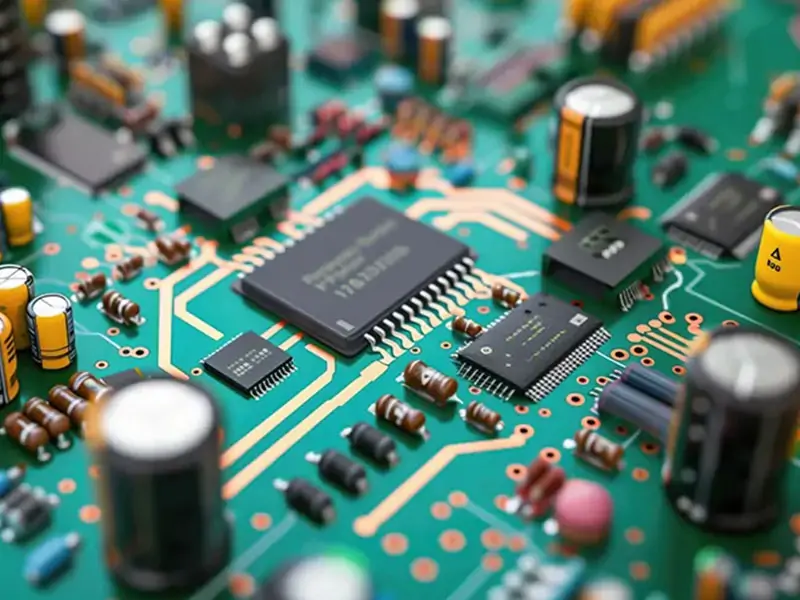 PCB AssemblyHRPCBA is a PCBA China manufacturer offering high-quality PCB assembly services with full-process support, from design to assembly and testing.
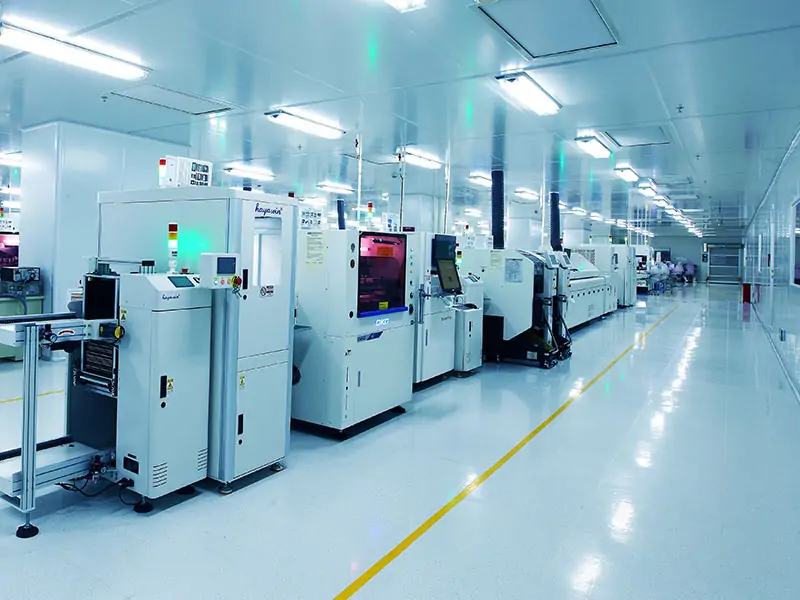 PCB ManufacturingHRPCBA is a leading PCB board manufacturer offering precision PCB fabrication services. Get high-quality boards with fast turnaround and competitive pricing
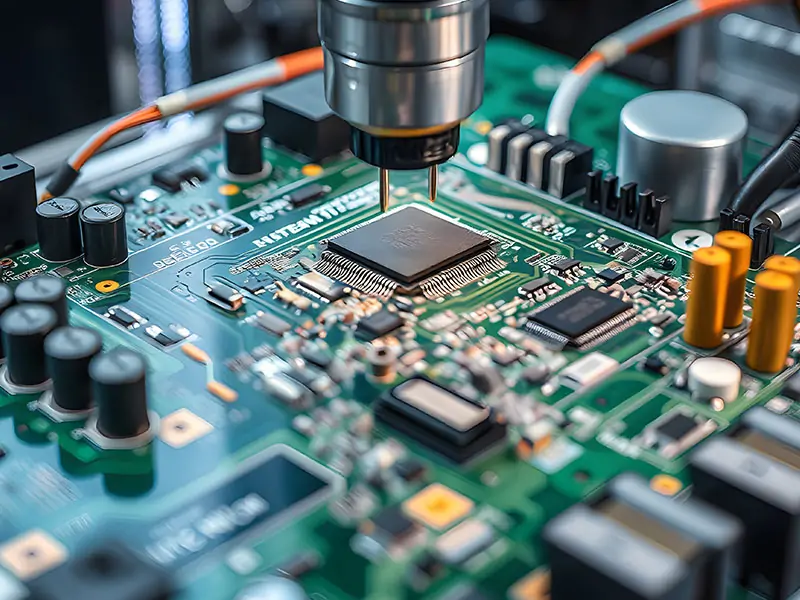 CapabilitiesDiscover HRPCBA’s robust PCB capabilities in custom PCB manufacturing services, where we transform your ideas into high-quality, functional circuit boards.