For companies developing a new electronic product, PCB prototyping is often one of the first important steps between design and actual production. Before moving forward with larger quantities, engineers need to check whether the circuit design works as expected, whether components can be assembled correctly, and whether the finished board meets the product's requirements.
However, PCB prototyping involves more than producing a few circuit boards. PCB fabrication, component sourcing, PCBA assembly, and testing are closely connected. A problem at any stage can affect the progress of the entire project.
That is why choosing a manufacturing partner with the right capabilities matters.
HongRong (Shenzhen) Electronics Co., Ltd. provides PCB manufacturing, component sourcing, PCBA assembly, and related testing services to support customers at different stages of product development and production.
Ⅰ. Why Does PCB Prototyping Matter in Product Development?
A PCB prototype is a small production run of circuit boards made before regular manufacturing begins. It gives engineers a physical board to evaluate instead of relying only on design files or simulation results.
A design may look correct in CAD software, but issues can still appear during fabrication and assembly. Component spacing may not be suitable, connectors may not fit the product enclosure, or soldering and electrical connections may need further attention.
These are the kinds of problems that a prototype can help identify.
For projects that require a complete electronic function check, manufacturing the bare PCB alone is usually not enough. Components must also be sourced and assembled so the PCBA can be tested under the intended conditions.
A well-planned prototyping stage helps companies:
-
Check whether the design is suitable for manufacturing before mass production.
-
Identify possible component placement and assembly issues.
-
Verify basic electrical performance and product functions.
-
Collect feedback for design revisions and further production.
Finding problems during prototyping is generally easier to manage than making major changes after a product has entered mass production.
Ⅱ. What Services Are Involved in a PCB Prototyping Project?
A PCB prototype project can involve several manufacturing steps. Some customers only need bare PCB fabrication, while others require a more complete service covering component sourcing, assembly, testing, and finished product preparation.
PCB Fabrication: Turning Design Files into Physical Boards
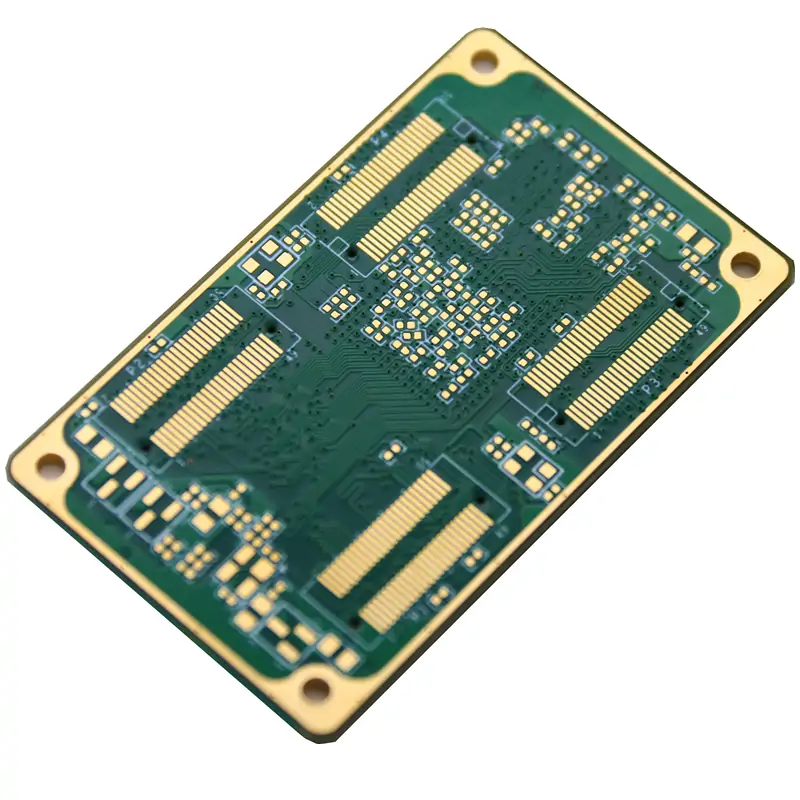
PCB fabrication is the foundation of a prototype project. The manufacturer uses the customer's Gerber files, drill data, and board specifications to produce the circuit board.
Different electronic products require different PCB structures and materials. Common options include:
For example, a compact electronic product with high component density may require an HDI structure. Some communication and RF applications may need high-frequency materials and controlled impedance. The right choice depends on the circuit design and the product's operating requirements.
You can learn more about HongRong's PCB manufacturing capabilities.
Component Sourcing: Preparing for Assembly
When a project requires PCBA assembly, component sourcing is another important part of the process.
Customers generally provide a Bill of Materials (BOM), which lists the required component models, specifications, and quantities. The manufacturing partner uses this information to arrange component procurement and confirm that the materials match the project requirements.
Component models, package types, and specifications all affect the assembly process. Clear communication between sourcing and production helps reduce avoidable issues.
PCBA Assembly: Making the Board Functional
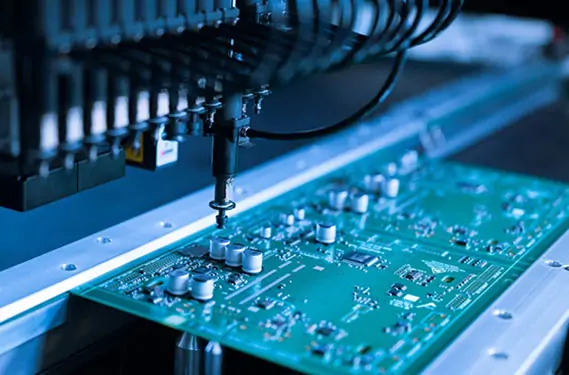
After the bare PCB is manufactured, electronic components need to be mounted and soldered onto the board to create a PCBA.
Common assembly processes include:
-
SMT (Surface Mount Technology)
-
THT (Through-Hole Technology)
-
DIP (Dual In-line Package-related insertion processes)
The appropriate process depends on the components and board design. Many projects mainly use SMT, while boards with through-hole components or certain connectors may require both SMT and THT processes.
For components using BGA packages, the assembly and inspection methods also need to be selected according to the package structure and project requirements.
For more information, see HongRong's PCBA assembly capabilities.
Inspection and Functional Testing: Checking the Finished Assembly
Once assembly is complete, the PCBA needs to be inspected according to the product requirements.
Several inspection and testing methods may be used:
| Test Method |
Main Purpose |
| AOI |
Checks visible component placement and soldering defects |
| X-Ray |
Inspects hidden solder joints, such as those under BGA packages |
| ICT |
Checks electrical connections and circuit nodes |
| Flying Probe |
Uses probes to check circuit connections and selected electrical characteristics |
| FCT |
Verifies whether the assembled product performs its intended functions |
Not every project requires all of these methods. The inspection plan should depend on the board structure, product requirements, and testing standards agreed upon with the customer.
Finished Product Assembly and Packaging
Some projects require more than a completed PCBA. They may also need enclosure assembly, wire connections, product integration, or customized packaging.
These requirements are best discussed at the beginning of the project so the manufacturing process can be evaluated accordingly.
Ⅲ. How Does HongRong Support Your PCB Prototype Project?
Manufacturing capability is important, but coordination between different production stages also makes a difference.
Established in 2005, HongRong provides PCB fabrication, component sourcing, PCB assembly, and testing services. Customers can choose individual services or discuss a one-stop manufacturing solution based on their project requirements.
One Partner for PCB and PCBA Services
From PCB fabrication and component sourcing to PCBA assembly and inspection, HongRong can coordinate the related manufacturing stages around the customer's project.
This approach can reduce the amount of coordination required when working separately with a PCB fabricator, component supplier, and assembly provider. For prototype projects involving several processes, having one manufacturing partner can also make production communication easier to manage.
Support for Prototype and Different Production Quantities
Not every product needs a large number of boards during its early development stage. An engineering team may only need a small quantity for functional verification, or a small production run for further testing.
HongRong's published service information covers prototype and small-run orders as well as larger production quantities. Customers can discuss the appropriate manufacturing arrangement according to their development progress and order requirements.
Quality Checks During Manufacturing
PCB and PCBA quality depends on more than the final inspection. Process control and appropriate checks throughout production also matter.
HongRong provides inspection and testing services including AOI, X-Ray, ICT, and functional testing. The specific methods can be selected according to the project requirements.
For products with particular functional requirements, customers can provide their testing procedures or relevant standards in advance so both sides can confirm how the finished assembly should be evaluated.
If a project involves sensitive design information, customers can also discuss an NDA with HongRong to address confidentiality requirements.
Ⅳ. From Prototype to Production: Why Does Continuity Matter?
Completing a PCB prototype does not necessarily mean product development is finished.
In many projects, the first sample is only the beginning of the validation process. After testing, engineers may need to adjust the circuit design, replace certain components, or modify the PCB layout. A revised version may then need to be manufactured and tested again.
A typical development process may look like this:
| Project Stage |
Main Objective |
| PCB Prototype |
Check the bare board structure and fabrication requirements |
| PCBA Prototype |
Evaluate component assembly and circuit operation |
| Functional Testing |
Verify the intended product functions |
| Design Revision |
Make changes based on test results |
| Small-Run Production |
Validate the updated design and manufacturing process |
| Mass Production |
Manufacture the finalized product |
This is where continuity with a manufacturing partner can be useful.
When the same supplier supports both prototype and later production, the project team may find it easier to communicate design changes, manufacturing requirements, and updated production files.
HongRong provides PCB fabrication, component sourcing, PCBA assembly, and testing services to support different project stages. The actual production arrangement will depend on board complexity, component availability, testing requirements, and order quantity.
Ⅴ What Should You Prepare Before Starting a PCB Prototype Project?
Preparing the necessary files before requesting a quotation can make communication with the manufacturer more efficient.
| File or Information |
Main Purpose |
| Gerber Files |
PCB fabrication data |
| Drill Files |
Hole locations and drilling information |
| BOM |
Component models, specifications, and quantities |
| Pick-and-Place File |
SMT component coordinates and placement information |
| Assembly Drawing |
Reference for PCBA assembly |
| PCB Specifications |
Layer count, thickness, material, surface finish, etc. |
| Testing Requirements |
Inspection and functional testing requirements |
For bare PCB fabrication, Gerber files and drill data are usually essential starting points. If PCBA assembly is also required, the BOM, placement data, and assembly instructions should be provided as well.
If your file package is not complete yet, you can still share the information currently available and discuss what else is needed with the manufacturer.
Conclusion
PCB prototyping may involve only a small number of boards, but it can have a significant impact on the development and production of an electronic product.
From PCB fabrication and component sourcing to PCBA assembly and functional testing, each stage needs to match the actual requirements of the project. Working with a manufacturing partner that understands how these processes connect can make product development easier to manage.
HongRong provides PCB manufacturing, component sourcing, PCBA assembly, and related inspection services, supporting customers from prototype development to different production stages.
Developing a new electronic product?
Prepare your Gerber files, BOM, and project requirements, then contact HongRong to discuss a suitable PCB and PCBA manufacturing solution.
Website: www.hrpcba.com



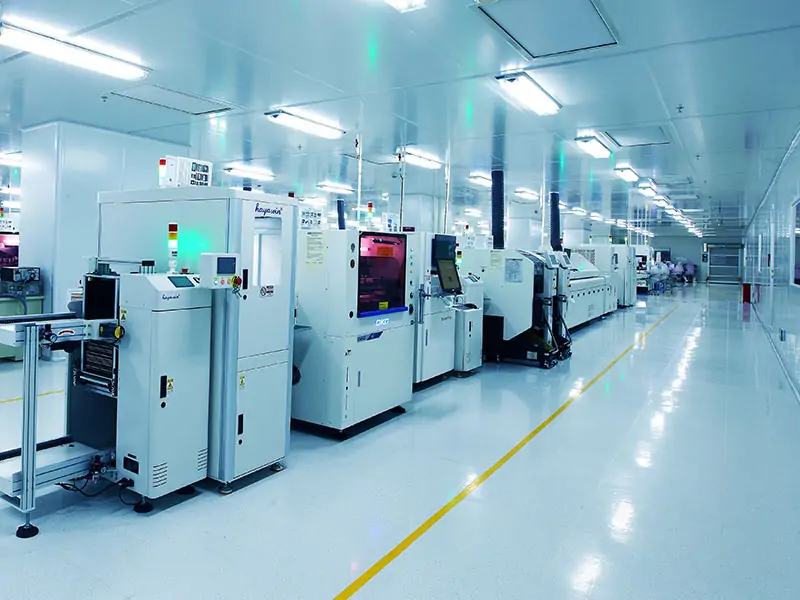
 PCB AssemblyHRPCBA is a PCBA China manufacturer offering high-quality PCB assembly services with full-process support, from design to assembly and testing.
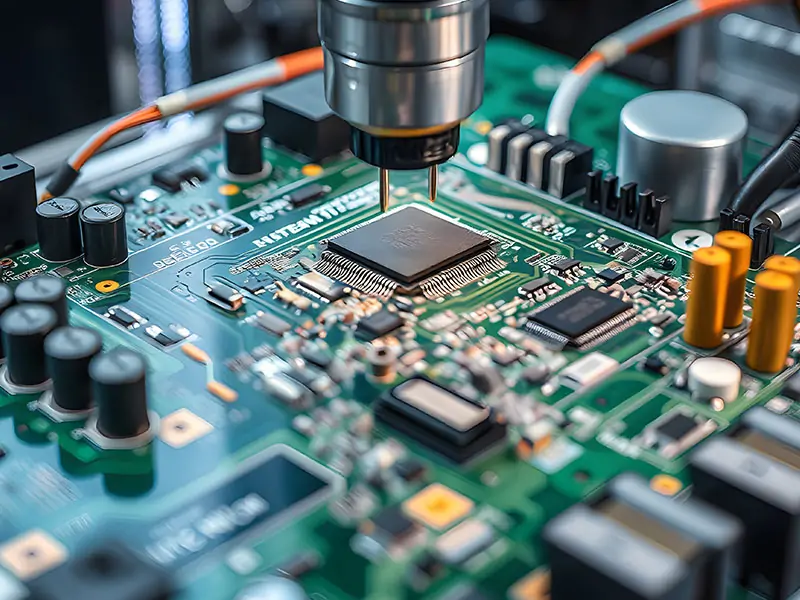
 PCB ManufacturingHRPCBA is a leading PCB board manufacturer offering precision PCB fabrication services. Get high-quality boards with fast turnaround and competitive pricing
 CapabilitiesDiscover HRPCBA’s robust PCB capabilities in custom PCB manufacturing services, where we transform your ideas into high-quality, functional circuit boards.