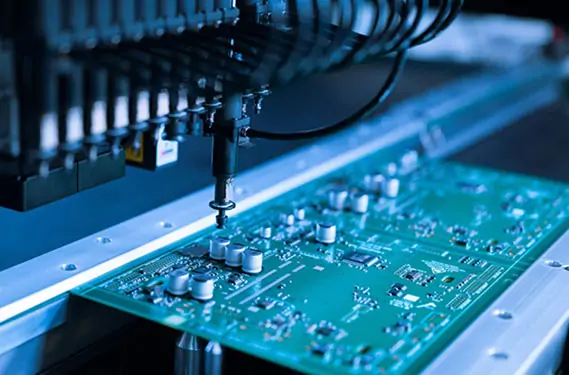
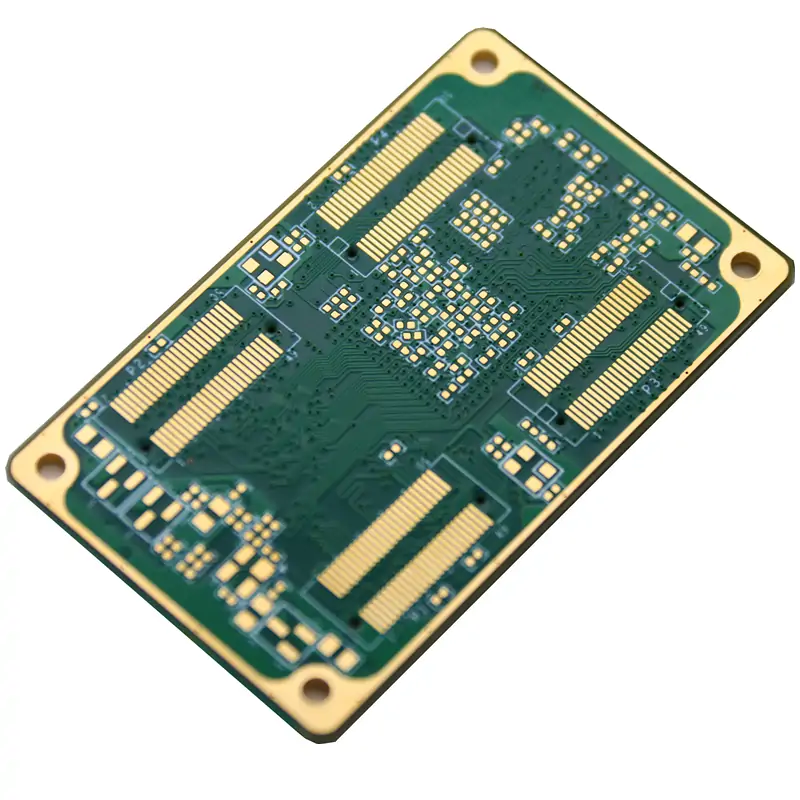
Custom mechanical keyboards have rapidly transitioned from enthusiast-driven DIY projects to commercially scalable products. At the core of every keyboard is the PCB, which determines electrical reliability, signal integrity, and long-term durability.
For brands, keyboard designers, and hardware startups, understanding how to design a manufacturing-ready custom keyboard PCB is critical. As a professional PCB manufacturer and PCBA service provider, HongRong (Shenzhen) Electronics Co., Ltd. supports customers throughout the entire process—from design optimization to mass production and assembly.
This guide explains how to make a custom keyboard PCB step by step, with a strong focus on B2B manufacturing, cost control, and production efficiency.
What Is a Custom Keyboard PCB?
A custom keyboard PCB is a purpose-designed printed circuit board that defines the keyboard’s layout, electrical connections, and functional expandability. Compared with standard off-the-shelf PCBs, custom designs allow brands to:
-
Control key layout and matrix structure
-
Select appropriate MCUs for long-term supply
-
Support hot-swap or soldered switches
-
Integrate RGB, rotary encoders, OLED displays, or wireless modules
From a manufacturing perspective, a well-designed custom keyboard PCB directly improves yield rate, assembly consistency, and delivery stability—key factors for commercial keyboard projects.
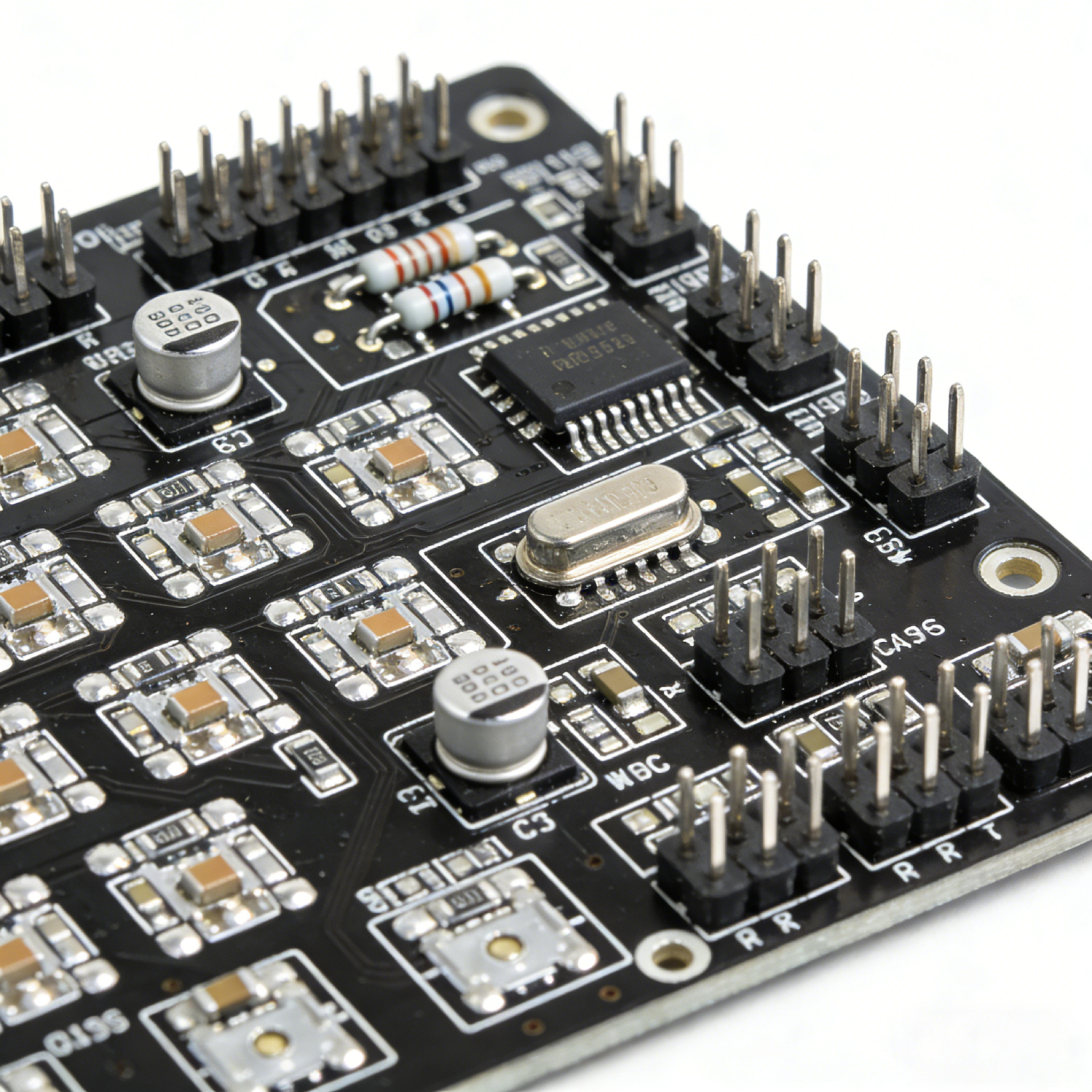
Preparation Before Designing a Keyboard PCB
Define Product Requirements
Before schematic design, clearly define:
-
Keyboard form factor (60%, 65%, 75%, TKL, full-size)
-
Target market (DIY kits or fully assembled keyboards)
-
Hot-swap or soldered switch solution
-
USB interface type (commonly USB Type-C)
At HongRong, early-stage requirement review helps customers reduce unnecessary design revisions and shorten PCB fabrication lead time.
Select the Right MCU
MCU selection impacts both functionality and supply chain stability. For B2B projects, considerations include:
-
Sufficient GPIO pins for key matrix scanning
-
USB compatibility and firmware support
-
Availability and long-term sourcing reliability
Using widely adopted MCUs simplifies PCBA and reduces procurement risks.
Understand Keyboard Matrix Design
Most keyboards use a row-and-column matrix with diodes to prevent ghosting. From a PCB layout perspective, a clean matrix design reduces routing complexity and improves assembly accuracy.
Step-by-Step Custom Keyboard PCB Design
Keyboard Layout Planning
Layout planning must comply with standard key spacing (1U) and mechanical tolerances. Incorrect spacing often leads to assembly issues during mass production.
Schematic Design
A production-oriented schematic includes:
-
Switch and diode connections
-
MCU pin mapping
-
USB interface, power regulation, and ESD protection
Clear schematics reduce misinterpretation during PCB fabrication and PCBA.
PCB Layout and Routing
Most keyboard PCBs use 2-layer FR-4 boards. Manufacturing-friendly routing includes:
-
Short, direct signal paths
-
Continuous ground reference
-
Uniform trace width and spacing
At HongRong, designs are reviewed against DFM rules to ensure smooth mass production.
Generating Manufacturing Files
Typical deliverables include:
Pre-production checks significantly reduce rework costs.
Schematic Design
A production-oriented schematic includes:
-
Switch and diode connections
-
MCU pin mapping
-
USB interface, power regulation, and ESD protection
Clear schematics reduce misinterpretation during PCB fabrication and PCBA.
PCB Layout and Routing
Typical deliverables include:
Pre-production checks significantly reduce rework costs.
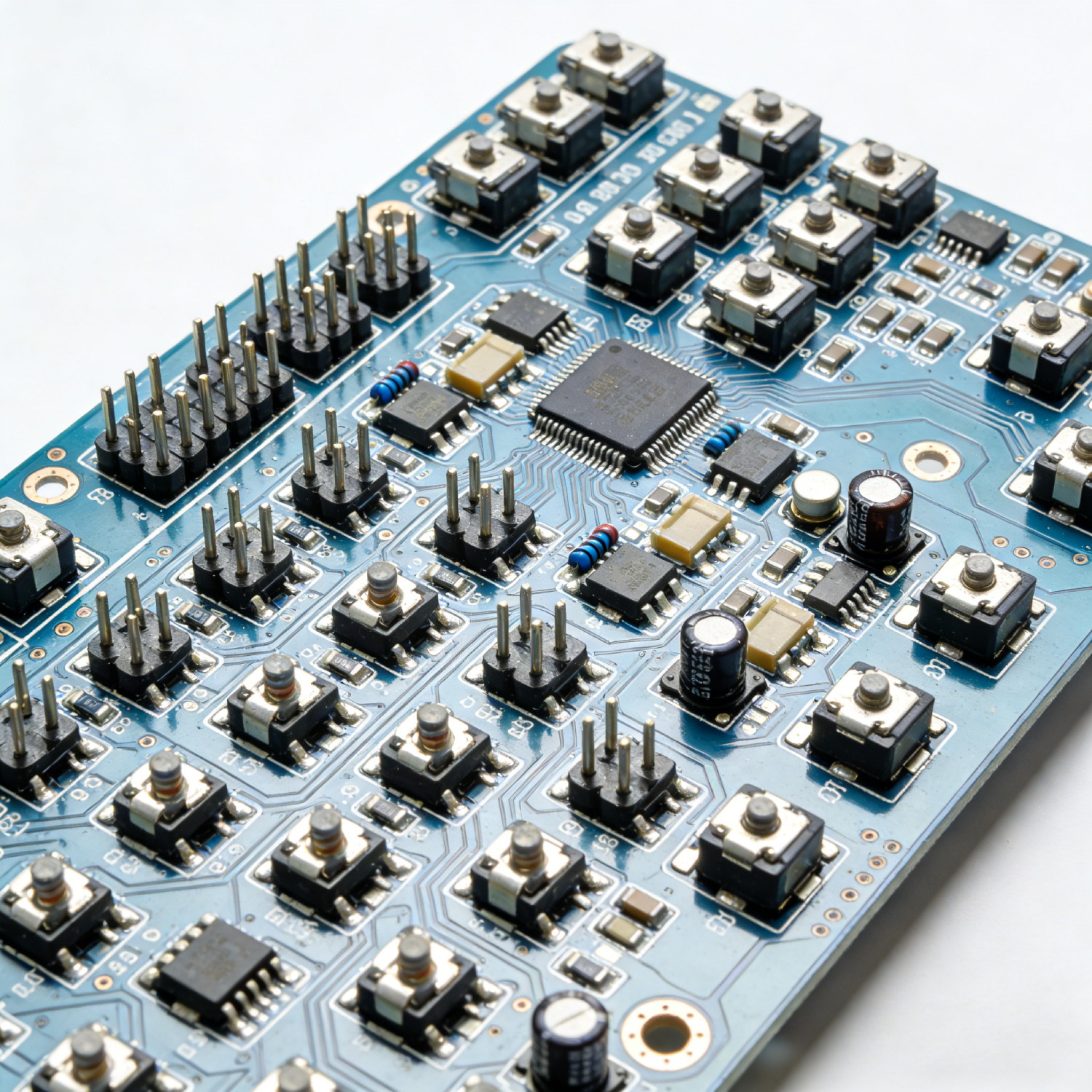
PCB Manufacturing and Assembly
PCB Fabrication
Common specifications for keyboard PCBs include:
Consistent PCB fabrication ensures stable electrical performance and visual quality.
PCB Assembly (PCBA)
For commercial keyboard projects, PCBA offers:
Hot-swap sockets and SMD components are especially suitable for automated assembly.
Firmware Flashing and Testing
Factory-level testing ensures:
This step minimizes after-sales issues.
Conclusion
Designing a custom keyboard PCB requires not only electrical knowledge but also a deep understanding of manufacturing and assembly. By collaborating with an experienced PCB and PCBA partner like HongRong (Shenzhen) Electronics Co., Ltd., brands can move from concept to mass production with confidence.



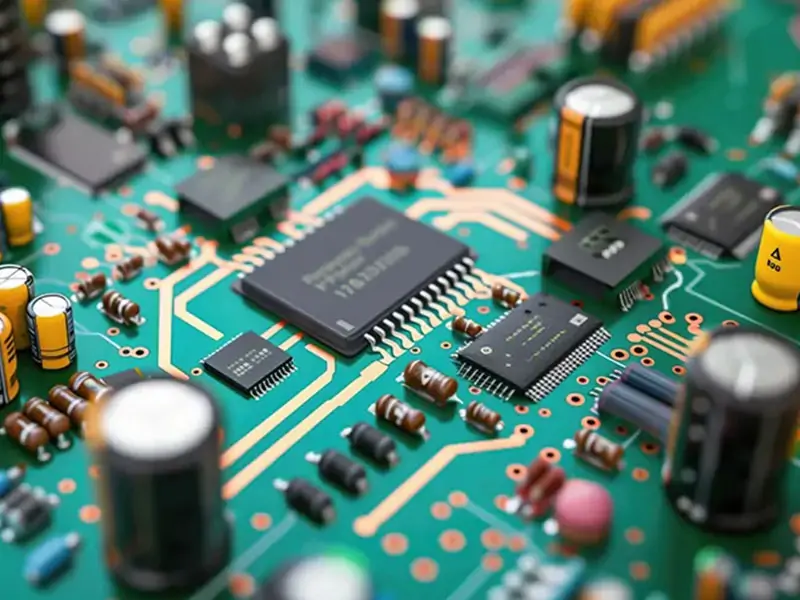 PCB AssemblyHRPCBA is a PCBA China manufacturer offering high-quality PCB assembly services with full-process support, from design to assembly and testing.
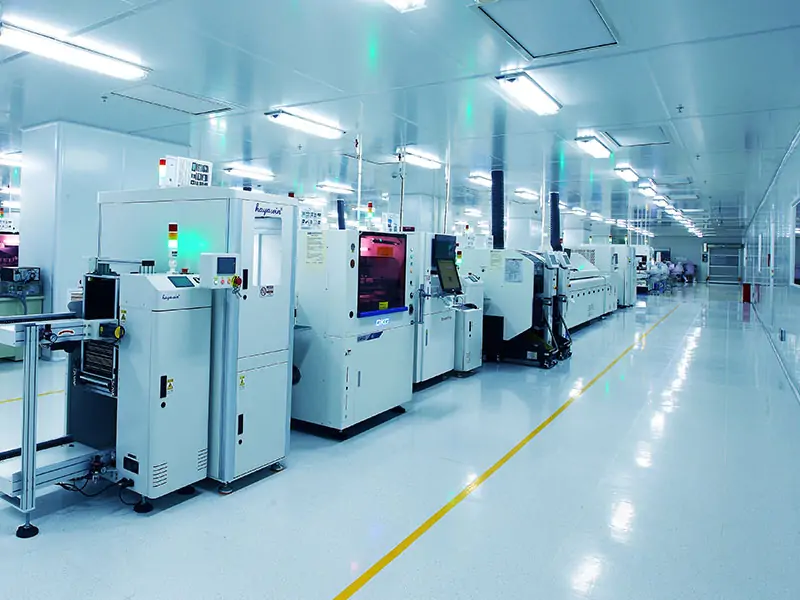 PCB ManufacturingHRPCBA is a leading PCB board manufacturer offering precision PCB fabrication services. Get high-quality boards with fast turnaround and competitive pricing
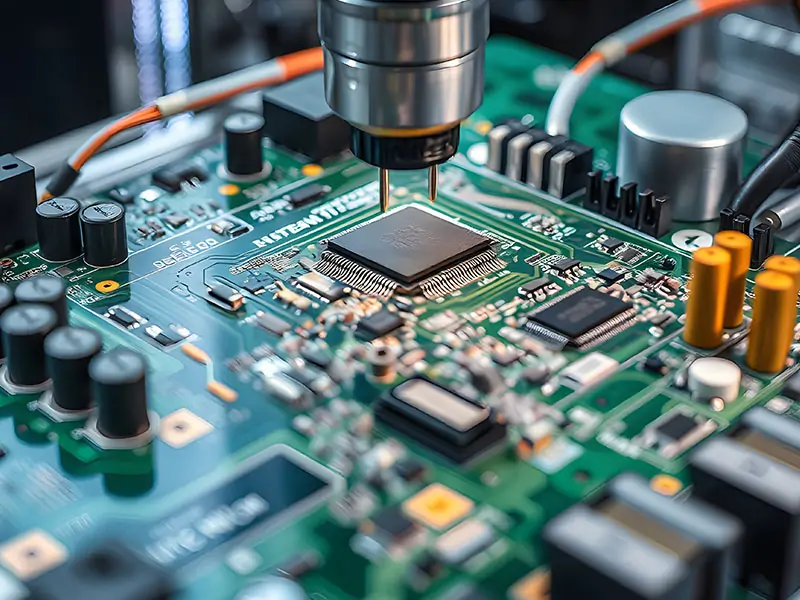 CapabilitiesDiscover HRPCBA’s robust PCB capabilities in custom PCB manufacturing services, where we transform your ideas into high-quality, functional circuit boards.