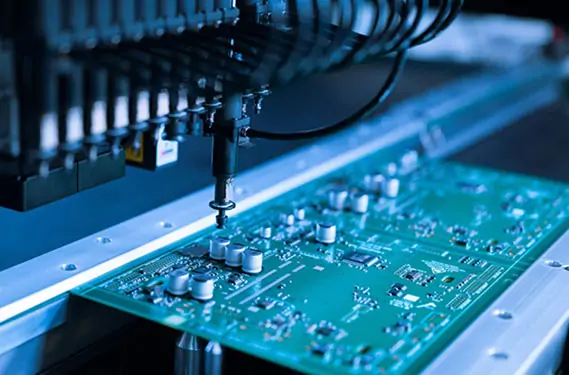
HRPCBA is a leading PCB board manufacturer offering precision PCB fabrication services. Get high-quality boards with fast turnaround and competitive pricing
Discover HRPCBA’s robust PCB capabilities in custom PCB manufacturing services, where we transform your ideas into high-quality, functional circuit boards.
LED technology has become an essential part of modern electronics. From residential lighting and commercial displays to automotive lighting, medical devices, industrial equipment, and smart home products, LED-based solutions are widely used because of their high energy efficiency, long service life, and compact design.
However, the performance of an LED product depends on much more than the LED chips themselves. A well-designed printed circuit board (PCB) and a stable assembly process are equally important. Even high-quality LEDs may experience reduced brightness, poor thermal performance, or premature failure if the PCB assembly process is not properly controlled.
LED PCB assembly is a complete manufacturing process that integrates multiple precision operations, including solder paste printing, surface mount technology (SMT), reflow soldering, automated inspection, and functional testing. Every stage contributes to the electrical performance, thermal management, and long-term reliability of the final product.
In this guide, we explain how LED PCB assembly works step by step, discuss the materials commonly used in LED circuit boards, and highlight the manufacturing practices that help ensure consistent product quality. Whether you are sourcing LED PCB assembly services or looking to better understand the production process, this article provides a practical overview.
If you are new to PCB manufacturing and assembly, you can also explore the technical resources available on HRPCBA: https://www.hrpcba.com/
What Is LED PCB Assembly? Before discussing the manufacturing process, it is important to understand what LED PCB assembly actually means.
A PCB (Printed Circuit Board) provides both mechanical support and electrical connections for electronic components. In LED applications, the PCB also plays an important role in heat dissipation, especially in medium- and high-power lighting products.
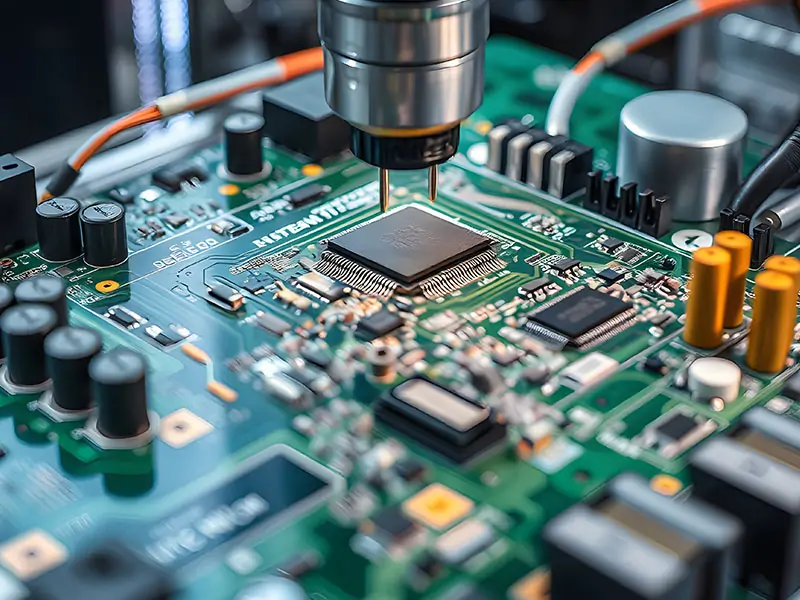
LED PCB assembly refers to the process of mounting LEDs, resistors, integrated circuits (ICs), connectors, and other electronic components onto a fabricated PCB using automated or semi-automated manufacturing equipment. The completed assembly forms a functional LED circuit board that can be integrated into the final product.
It is also important to distinguish PCB fabrication from PCB assembly.
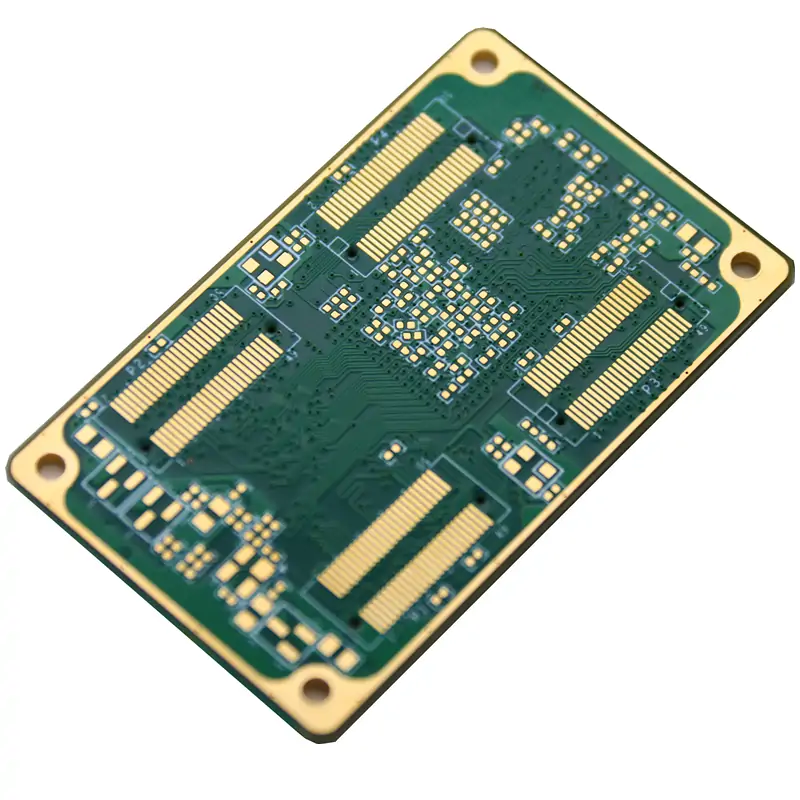
PCB Fabrication
PCB Assembly
Produces the bare printed circuit board.
Mounts electronic components onto the bare PCB.
Includes multilayer lamination, drilling, copper plating, imaging, etching, solder mask, and surface finish.
Includes solder paste printing, SMT placement, reflow soldering, inspection, and testing.
Result: Bare PCB.
Result: Functional PCBA.
For manufacturers offering turnkey solutions, PCB fabrication, component sourcing, PCB assembly, inspection, and testing are often integrated into one complete production service. This approach can help reduce supply chain complexity while improving manufacturing efficiency and product consistency.
Why Do LED Products Require Specialized PCBs?
Unlikemany conventional electronic devices, LEDs convert only part of the electrical energy into visible light. The remaining energy is released as heat. If this heat cannot be effectively transferred away from the LED junction, the operating temperature rises, which may reduce luminous efficiency, accelerate lumen depreciation, shorten service life, and affect long-term reliability.
1. Thermal Management
Effective thermal management is one of the most important considerations in LED PCB design. Materials with higher thermal conductivity can transfer heat away from LEDs more efficiently, helping maintain stable operating temperatures.
For medium- and high-power LED applications, metal-core PCBs—particularly aluminum-core PCBs—are widely used because they offer significantly better heat dissipation than conventional FR-4 boards.
2. Stable Electrical Performance
LEDs are current-driven devices. Stable circuit design, appropriate copper thickness, and well-designed PCB traces help ensure consistent current distribution and reduce the risk of localized overheating.
Proper electrical design also helps improve brightness consistency across multiple LEDs connected within the same circuit.
3. Long-Term Reliability
LED products often operate continuously for thousands of hours. During their service life, PCBs may experience repeated thermal cycling, mechanical stress, and environmental changes. Reliable PCB materials and controlled assembly processes help reduce solder joint fatigue, minimize board warpage, and improve overall product durability.
Common PCB Materials Used in LED Applications
Different LED products have different performance requirements. Choosing the appropriate PCB material depends on factors such as thermal performance, electrical requirements, mechanical strength, and manufacturing cost.
Material
Typical Applications
Main Advantages
Aluminum PCB
LED lighting, street lighting, industrial lighting
Excellent thermal conductivity, cost-effective
FR-4 PCB
Decorative lighting, LED controllers, low-power products
Superior heat dissipation, suitable for high thermal loads
Selecting the right PCB material is only the first step. To achieve reliable LED performance, the assembly process must also be carefully controlled. In the next section, we will walk through the complete LED PCB assembly workflow—from incoming inspection and solder paste printing to SMT placement, reflow soldering, AOI inspection, and final functional testing.
The Complete LED PCB Assembly Process After selecting the appropriate PCB material, the next step is assembly. Although different products may have specific manufacturing requirements, most LED PCB assemblies follow a standardized workflow. Each stage plays an important role in ensuring electrical performance, soldering quality, thermal management, and long-term reliability.
A typical LED PCB assembly process can be summarized as follows: PCB Incoming Inspection → Solder Paste Printing → SMT Component Placement → Reflow Soldering → AOI Inspection → Functional Testing → Final Inspection & Packaging
Step 1: PCB Incoming Inspection
Every successful assembly process begins with a qualified bare PCB. Before production starts, manufacturers inspect incoming boards to verify that they meet design and quality requirements.
Typical inspection items include:
PCB dimensions and thickness
Hole size and positioning accuracy
Copper foil integrity
Surface finish quality
Solder mask appearance
Board warpage and physical damage
Detecting defects at this stage helps prevent unnecessary component waste and reduces the likelihood of production interruptions later in the assembly process.
Step 2: Solder Paste Printing
Once the PCB passes inspection, solder paste is applied to the solder pads using a precision stencil.
Solder paste consists primarily of microscopic solder alloy particles suspended in flux. During reflow soldering, the alloy melts to create reliable electrical and mechanical connections between components and the PCB.
The accuracy of solder paste deposition is critical because excessive or insufficient solder may lead to solder bridges, cold joints, or weak connections.
Many modern production lines also use Solder Paste Inspection (SPI) equipment to verify solder volume and position before components are mounted.
Step 3: SMT Component Placement
Surface Mount Technology (SMT) is the core process of modern LED PCB assembly.
High-speed pick-and-place machines automatically position LEDs and other electronic components according to the PCB design data.
Typical mounted components include:
LED packages
Resistors
Capacitors
Integrated Circuits (ICs)
Connectors
Drivers
Modern SMT equipment uses machine vision systems to recognize component orientation and placement coordinates, allowing high placement accuracy and repeatability.
For LED products, precise component alignment is especially important because inconsistent placement may affect appearance, optical performance, and assembly quality.
Step 4: Reflow Soldering
After component placement, the PCB enters the reflow soldering oven.
Inside the oven, the board passes through several controlled heating zones, allowing the solder paste to melt and form permanent solder joints.
A typical reflow profile includes:
Preheating
Soaking
Reflow
Controlled Cooling
Different LED packages may require different thermal profiles. Manufacturers generally follow the component supplier's recommended reflow conditions to help achieve reliable solder joints while minimizing thermal stress on sensitive devices.
Step 5: Automated Optical Inspection (AOI)
After soldering, the assembled PCB is inspected using Automated Optical Inspection (AOI).
AOI systems compare captured images with reference design data to identify visible manufacturing defects.
Common inspection items include:
Missing components
Incorrect polarity
Component offset
Solder bridges
Insufficient solder
Tombstoning
Compared with manual inspection, AOI improves inspection efficiency and consistency, particularly in high-volume manufacturing.
Step 6: Functional Testing
Visual inspection alone cannot confirm whether an LED PCB operates correctly. Functional testing verifies that the assembled board performs as intended under electrical power.
Depending on the product, functional testing may include:
LED illumination
Voltage verification
Current measurement
Brightness consistency
Color consistency
Driver functionality
Some applications may also require burn-in or aging tests to evaluate long-term operational stability under controlled conditions.
Step 7: Final Inspection and Packaging
Before shipment, finished LED PCB assemblies undergo a final quality inspection.
Typical final checks include:
Overall appearance
Label verification
Packaging inspection
Electrostatic discharge (ESD) protection
Shipment documentation
Proper packaging is essential because mechanical shock, moisture, or electrostatic discharge during transportation may affect product quality before it reaches the customer.
Why Process Control Matters
Each assembly step contributes to the overall reliability of an LED product. A high-quality PCB combined with accurate SMT placement, optimized soldering parameters, comprehensive inspection, and functional testing helps improve manufacturing consistency and reduce field failures.
For manufacturers offering turnkey PCB assembly services, maintaining standardized production procedures throughout the entire workflow is one of the key factors in delivering consistent quality.
If you would like to learn more about PCB manufacturing, assembly technologies, and engineering resources, you can explore the technical articles available on the HRPCBA Blog: https://www.hrpcba.com/blog
Common Defects in LED PCB Assembly
Although LED PCB assembly is a mature manufacturing process, defects may still occur if process control is not properly maintained. These issues can directly affect product performance, lifespan, and consistency.
1. Cold Solder Joints
Cold solder joints occur when solder does not fully melt or properly bond during reflow soldering. This may lead to unstable electrical connections or intermittent failures.
2. Solder Bridging
Solder bridging happens when excess solder creates unintended connections between adjacent pads. This can cause short circuits and functional failure.
3. Component Misalignment
Misalignment during SMT placement may affect optical uniformity in LED products, especially in lighting applications requiring consistent brightness distribution.
4. Thermal Stress Issues
Poor thermal design or improper material selection may lead to overheating, solder fatigue, or PCB deformation over time.
Key Factors That Affect LED PCB Reliability
The reliability of LED PCB assemblies depends on multiple interconnected factors rather than a single process step.
Key factors include:
PCB material selection (e.g., aluminum vs FR-4)
Copper thickness and circuit design
SMT placement accuracy
Reflow soldering profile control
Inspection and quality assurance systems
Thermal management design
A well-optimized manufacturing process significantly reduces field failure rates and improves product lifespan, especially in high-power LED applications.
How to Choose a Reliable LED PCB Assembly Supplier
Selecting the right manufacturing partner is critical for ensuring product consistency, cost efficiency, and long-term reliability.
When evaluating a supplier, consider the following aspects:
Engineering Capability
Whether the supplier provides DFM (Design for Manufacturability) review to optimize PCB layout before production.
Production Capability
Whether the factory has complete SMT production lines, including automated placement, reflow soldering, and inspection systems.
Quality Control System
Reliable suppliers typically use AOI inspection and functional testing to ensure consistent output quality.
Turnkey Service Support
Some manufacturers also provide component sourcing and full turnkey PCB assembly services, helping reduce supply chain complexity.
You can learn more about turnkey PCB assembly solutions here:
???? https://www.hrpcba.com/
Conclusion LED PCB assembly is not a single manufacturing step, but a complete and tightly controlled production process that integrates PCB fabrication, SMT assembly, reflow soldering, inspection, and functional testing.
Each stage plays a critical role in determining the final performance of the LED product, especially in terms of thermal management, electrical stability, and long-term reliability.
For buyers and engineers, understanding this process helps improve product design decisions and reduces risks in sourcing and manufacturing.
FAQ 1. What is LED PCB assembly?
LED PCB assembly is the process of mounting LEDs and electronic components onto a printed circuit board using SMT and soldering technologies.
2. Why is aluminum PCB commonly used for LED lighting?
Because aluminum PCBs provide excellent heat dissipation, helping extend LED lifespan and improve stability.
3. What is the most important factor in LED PCB reliability?
Thermal management and soldering quality are two of the most critical factors affecting reliability.
4. What inspection methods are used in LED PCB assembly?
Common methods include AOI inspection, functional testing, and sometimes in-circuit testing (ICT) depending on product complexity.
If you are developing LED lighting products or looking for a stable PCB manufacturing partner, professional engineering support can significantly improve your product quality and reduce production risks.
Learn more about turnkey PCB & PCBA services: https://www.hrpcba.com/



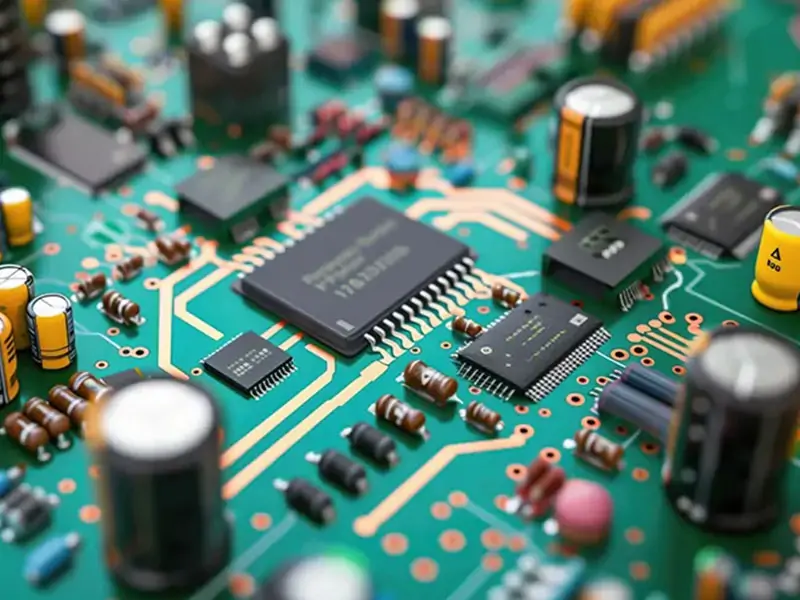 PCB AssemblyHRPCBA is a PCBA China manufacturer offering high-quality PCB assembly services with full-process support, from design to assembly and testing.
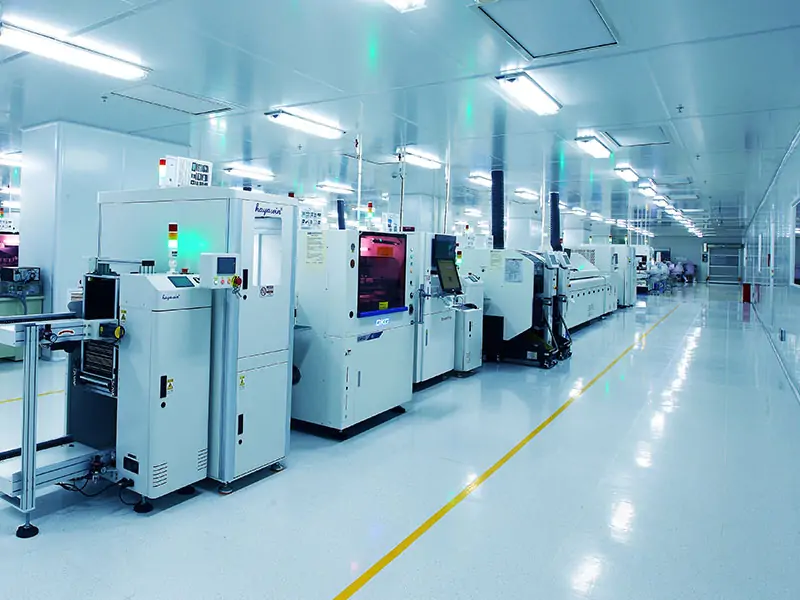 PCB ManufacturingHRPCBA is a leading PCB board manufacturer offering precision PCB fabrication services. Get high-quality boards with fast turnaround and competitive pricing
 CapabilitiesDiscover HRPCBA’s robust PCB capabilities in custom PCB manufacturing services, where we transform your ideas into high-quality, functional circuit boards.